

Cancer is one of the most researched yet misunderstood diseases in the world. Despite decades of awareness, medical advancement, and public education, myths around cancer continue to circulate—often creating fear, confusion, and unnecessary anxiety among patients and families.The Best Oncologists in Gachibowli, Hyderabad emphasize that misinformation can be dangerous, as it prevents people from seeking timely treatment and believing in evidence-based medical care. In this blog, we uncover the most common cancer myths and debunk them with scientific facts and expert insights..
One of the oldest myths is that cancer inevitably leads to death. This is far from the truth. Today, many cancers are highly treatable—especially when detected early. With advanced therapies such as immunotherapy, targeted therapy, and personalized medicine, survival rates have significantly improved. A Medical Oncologist in Gachibowli, Hyderabad will tell you that early diagnosis, correct staging, and timely treatment offer excellent outcomes for many types of cancer.
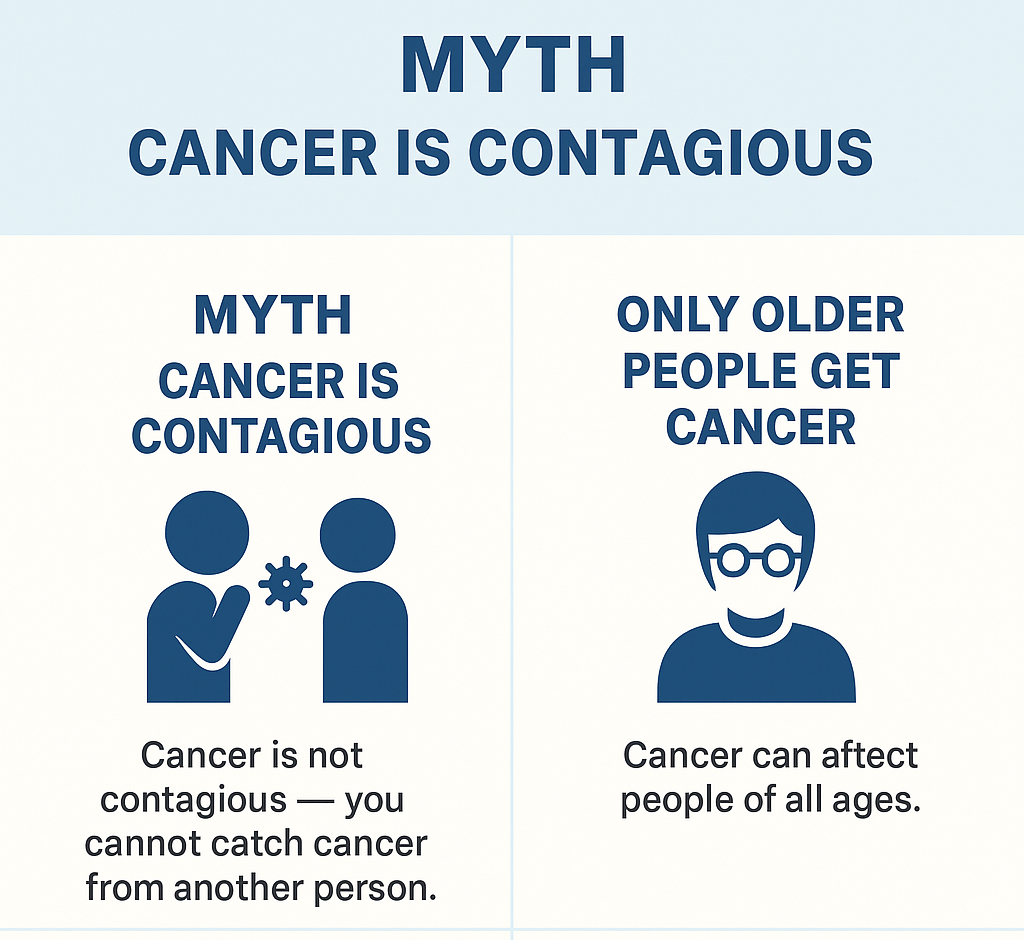
Cancer is not contagious. You cannot “catch” cancer by touching, sharing food, or being in close contact with someone who has the disease. What is true is that certain viruses—such as HPV and hepatitis B—can increase cancer risk. The Best Oncologists in Gachibowli, Hyderabad often advise vaccination and regular screenings to reduce the risk associated with virus-related cancers.
Age is a risk factor, but cancer does not discriminate. Young adults, teenagers, and even children can develop cancer. Lifestyle habits, genetic mutations, and environmental exposure contribute significantly to the disease. A trusted Medical Oncologist in Gachibowli, Hyderabad evaluates risk factors for all age groups and helps patients understand early warning signs, regardless of age.
Only about 5–10% of cancers are hereditary. Most cancers occur due to lifestyle factors, long-term exposure to carcinogens, or random genetic mutations that occur naturally over time. Even without a family history, your risk may increase due to smoking, poor diet, obesity, alcohol consumption, or exposure to radiation. According to the Best Oncologists in Gachibowli, Hyderabad, regular checkups and preventive screenings are essential for everyone, not just those with family history.
Many people fear chemotherapy or radiation therapy because of stories they have heard. While these treatments can cause side effects, today’s medical advancements have made cancer treatment far more manageable. New drugs, supportive therapies, and personalized treatment plans reduce side effects while improving results. A Medical Oncologist in Gachibowli, Hyderabadcarefully tailors treatment to each patient’s condition, ensuring safety and comfort throughout the process.
This is a fear-driven myth with no scientific basis. Surgery does not cause cancer to spread. In fact, removing a tumor is often the most critical step in treatment. Surgeons use highly controlled techniques to prevent any risk of spread. The Best Oncologists in Gachibowli, Hyderabad emphasize that delaying surgery due to fear can allow the disease to progress rapidly.
Foods rich in antioxidants—like blueberries, turmeric, or green tea—support overall health, but they are not cures for cancer. A balanced diet helps strengthen immunity and supports healing, but it cannot replace medical treatment. Only scientifically proven therapies can treat or cure cancer. A Medical Oncologist in Gachibowli, Hyderabad often encourages patients to maintain a nutritious diet but warns against relying on food alone for treatment.
Not all cancers cause pain in the early stages. Some cancers, such as pancreatic or ovarian cancer, may remain silent until they reach advanced stages. This is why routine screenings are vital. The Best Oncologists in Gachibowli, Hyderabad strongly advise regular health checkups, as early detection significantly improves outcomes—even for cancers known to develop without early symptoms.
While maintaining a positive attitude helps emotional well-being, there is no evidence that positivity alone can cure cancer. However, optimism combined with proper treatment, healthy habits, and strong social support leads to better quality of life. A Medical Oncologist in Gachibowli, Hyderabad highlights that emotional health is important, but it must be paired with evidence-based medical care.
Cancer recurrence is possible, depending on the type, stage, and biology of the tumor. Yet recurrence does not happen in every patient. Regular follow-ups, healthy lifestyle habits, and preventive care reduce the risk significantly. The Best Oncologists in Gachibowli, Hyderabad monitor patients closely even after successful treatment to ensure long-term health and detect any recurrence early if it happens.
Myths about cancer can lead to poor decisions, delayed diagnosis, and unnecessary fear. With the right information, patients and families can feel empowered, informed, and ready to seek appropriate care. It’s crucial to rely on credible medical advice rather than hearsay or misinformation found online.A trusted and experienced Medical Oncologist in Gachibowli, Hyderabad can help you differentiate fact from fiction, guide you through every stage of treatment, and offer personalized care tailored to your needs. Similarly, the Best Oncologists in Gachibowli, Hyderabad recommend regular screenings, healthy lifestyle choices, and early consultation whenever symptoms appear.Understanding the truth behind these common myths is the first step toward better cancer awareness, early detection, and successful treatment.