

Cancer, regardless of age, is a complex disease that arises from uncontrolled cell growth.
However, the biological behavior, causes, and treatment response of cancers in children differ significantly from those in adults.
Pediatric oncology — the branch of medicine dedicated to diagnosing and treating cancers in children — requires a unique approach that considers developmental biology, genetic predisposition, and the psychosocial impact on young patients and their families.
Dr. Sainath Bhethanabhotla, a senior Medical Oncologist in Gachibowli, Hyderabad, with over 18 years of experience, emphasizes that early diagnosis and specialized pediatric cancer care can substantially improve survival outcomes and quality of life.
Practicing at STAR Hospital, Dr. Sainath has earned recognition as one of the Best Oncologists in Gachibowli, Hyderabad, particularly for his expertise in managing Hodgkin lymphoma and other pediatric malignancies.
Pediatric oncology focuses on cancers that occur in infants, children, and adolescents, typically under the age of 18.
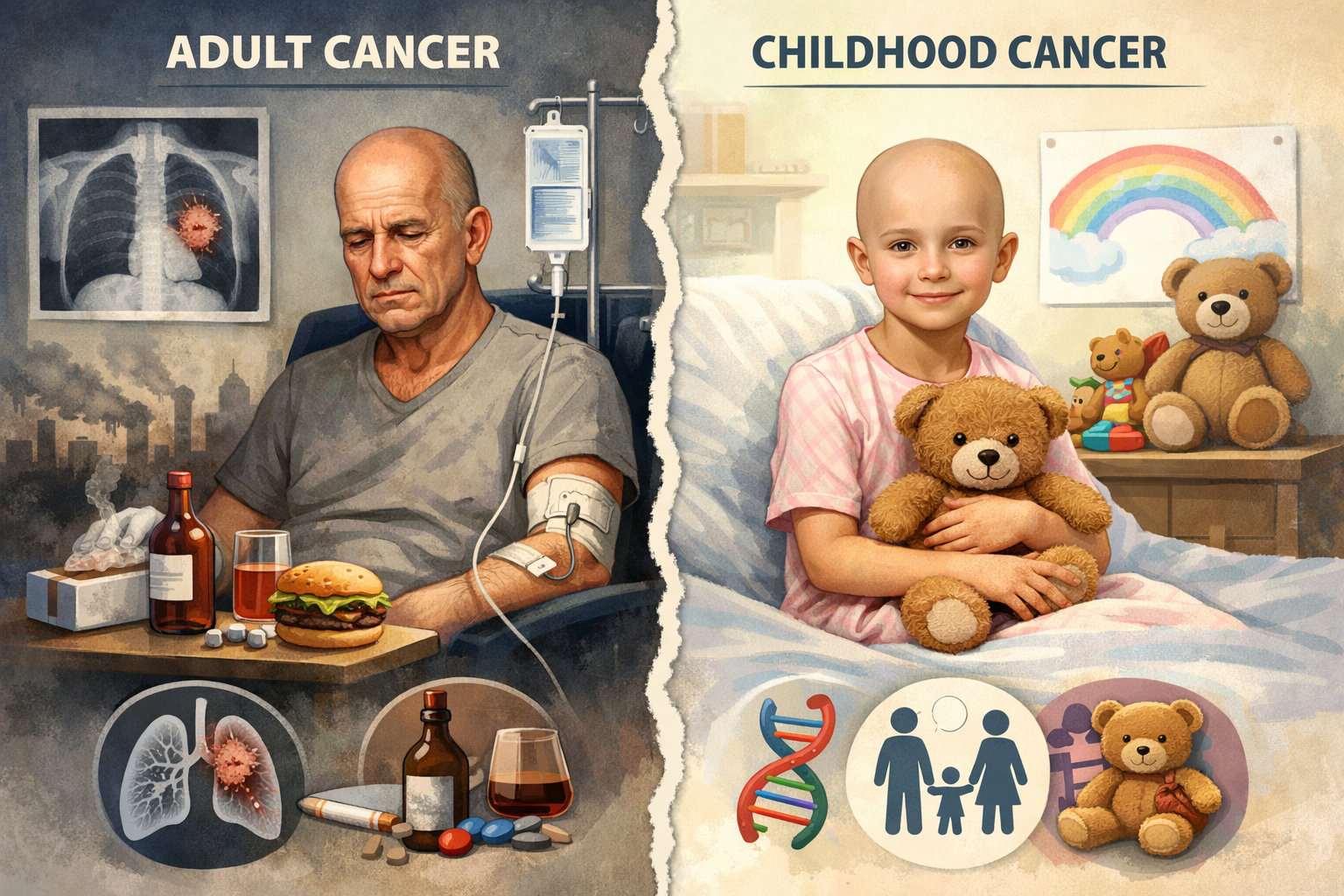
Unlike adult cancers, which are often influenced by environmental and lifestyle factors such as smoking, alcohol, diet, or exposure to carcinogens, childhood cancers are primarily linked to genetic mutations and developmental processes that occur during cell growth.
While adult cancers such as lung, breast, colon, and prostate cancer are more prevalent, pediatric cancers represent only about 1–3% of all diagnosed cancers globally. Yet, they remain a leading cause of disease-related death among children.
In children, cancers typically develop from the cells of the embryonic or developmental tissues, whereas adult cancers usually originate from epithelial cells (lining tissues of organs). For example, neuroblastoma arises from immature nerve cells, while Wilms tumor develops from kidney precursor cells.
Adult cancers often result from long-term exposure to environmental risk factors such as tobacco smoke, ultraviolet radiation, or chemical carcinogens. In contrast, pediatric cancers are more likely caused by genetic abnormalities—either inherited or occurring de novo (newly acquired mutations during development).
Certain inherited syndromes, such as Li-Fraumeni syndrome, Down syndrome, and Beckwith-Wiedemann syndrome, are associated with higher risks of specific pediatric cancers.
Childhood cancers tend to grow rapidly but also respond more favorably to chemotherapy. This high growth rate reflects the dynamic nature of developing tissues. Adult tumors, on the other hand, often progress more slowly but may be resistant to chemotherapy due to accumulated genetic mutations.
Because pediatric cancers are less likely to be associated with chronic comorbidities, children can generally tolerate aggressive chemotherapy and radiation better than adults. Their bodies have a greater capacity for regeneration and recovery, leading to improved remission rates.
However, this also necessitates careful long-term monitoring for late effects, as the same treatments that cure childhood cancers may later impact organ function, growth, fertility, or cognitive development.
The diagnostic process for pediatric cancers is often challenging because early symptoms may mimic common childhood illnesses — such as fatigue, fever, bone pain, or swollen lymph nodes.
As a seasoned Medical Oncologist in Gachibowli, Hyderabad, Dr. Sainath Bhethanabhotla follows evidence-based diagnostic protocols that integrate advanced molecular and genomic testing.
This precision-driven approach helps in tailoring treatment strategies to each child’s unique genetic and clinical profile.
Treatment in pediatric oncology is highly individualized and often multidisciplinary, involving medical oncologists, pediatric surgeons, radiation oncologists, hematologists, and rehabilitation specialists.
The cornerstone of pediatric cancer treatment, chemotherapy is used to destroy cancer cells systemically. It is highly effective in childhood leukemias and lymphomas.
Used selectively due to potential long-term effects on growth and development, radiation therapy is typically reserved for localized tumors or as adjuvant therapy post-surgery.
Surgical resection is performed for solid tumors such as Wilms tumor, osteosarcoma, and neuroblastoma to remove the primary mass.
Advances in molecular oncology have paved the way for targeted treatments that block specific cancer pathways and immunotherapies that harness the child’s immune system to combat cancer cells.
In cases of relapsed leukemia or high-risk malignancies, hematopoietic stem cell transplantation may be indicated to restore healthy bone marrow function following high-dose chemotherapy.
Dr. Sainath, regarded among the Best Oncologists in Gachibowli, Hyderabad, employs an integrative treatment philosophy that combines the latest therapeutic innovations with compassionate, family-centered care.
With advances in pediatric oncology, survival rates for childhood cancers have improved remarkably, exceeding 80% for many malignancies. However, long-term survivorship presents its own challenges.
Children who survive cancer require lifelong monitoring for potential late effects such as:
A comprehensive survivorship care plan helps monitor, prevent, and manage these effects while promoting overall well-being.
The emotional and psychological impact of childhood cancer extends beyond the patient to the entire family.
Children face unique fears about hospitalization, isolation, and disruptions in schooling, while parents often experience emotional distress and financial strain.
Pediatric oncology care must therefore integrate psychological counseling, educational support, and family-centered communication, ensuring that emotional well-being is addressed alongside medical treatment.
At STAR Hospital, Dr. Sainath and his multidisciplinary team emphasize compassionate counseling, fostering a supportive environment that helps children and families navigate the journey toward recovery with resilience and hope.
Pediatric cancers, though rare, demand specialized expertise and a compassionate, multidisciplinary approach.
The fundamental differences between childhood and adult cancers — in biology, etiology, and treatment response — make pediatric oncology a distinct and evolving field.
With over 18 years of experience,Dr. Sainath Bhethanabhotla, one of the Best Oncologists in Gachibowli, Hyderabad, continues to lead the way in providing personalized and evidence-based cancer care for children and adolescents.
His commitment to advancing pediatric oncology ensures that young patients receive not only effective medical treatment but also the empathy, support, and hope they need for a brighter future.
For those seeking expert guidance in childhood cancer diagnosis and treatment, consulting a trusted Medical Oncologist in Gachibowli, Hyderabad like Dr. Sainath can make a life-changing difference.